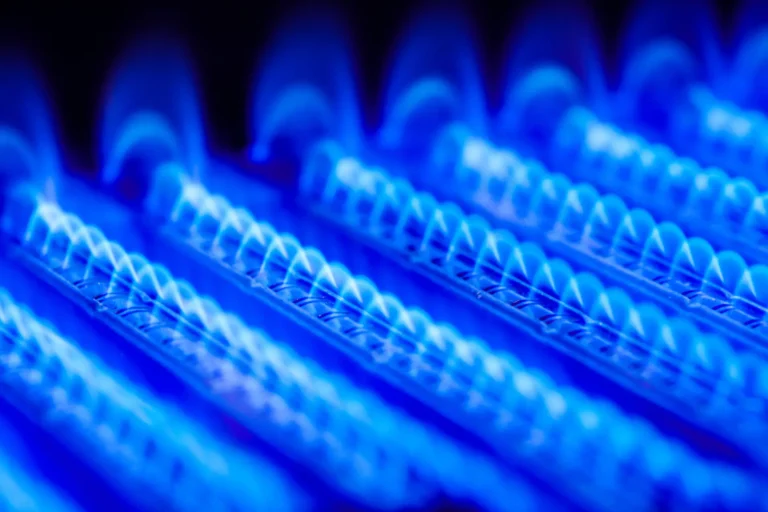

It is a cold January morning in Lincoln, CA, the thermostat reads 58 degrees, and the furnace is blowing nothing but cool air. For many households, this is the moment they realize how much they depend on a working heating system. When the temperature drops into the 30s overnight, a failed furnace is more than an inconvenience—it can leave a home uncomfortable and even unsafe for young children, older adults, and pets. This is exactly the situation where fast, reliable heating repair matters most, and it is the kind of call we handle throughout the colder months.
At Quality Sheet Metal & HVAC LLC, we approach every heating repair with a clear goal: find the true cause of the problem, fix it correctly, and get your home warm again. We do not guess, and we do not push repairs you do not need. As a locally owned and operated company, we understand what Lincoln winters demand from a heating system, and we bring that understanding to every job.
Common Heating Problems We Repair in Lincoln
Furnaces and heat pumps fail in predictable ways, and years of field work have taught us where to look first. Some issues show up gradually, such as a system that takes longer and longer to reach the set temperature. Others appear all at once, like a furnace that will not ignite at all. Either way, an accurate diagnosis is the foundation of a lasting repair.
When you call us about a heating problem, we investigate the whole system rather than treating a single symptom. A furnace that short-cycles, for example, might have a dirty flame sensor, a failing limit switch, or a restricted airflow problem caused by ductwork. Fixing only the obvious part often leaves the underlying cause in place. The following are the heating faults we repair most often for Lincoln homeowners:
- Ignition and pilot failures: a furnace that clicks but never lights, often traced to a faulty igniter, gas valve, or flame sensor
- No heat or weak heat: caused by clogged filters, failing blower motors, or thermostat wiring faults
- Short cycling: the system turns on and off rapidly, wearing out components and wasting energy
- Strange noises: banging, squealing, or grinding that point to loose parts, worn bearings, or delayed ignition
- Blower problems: a fan that runs constantly or not at all, usually a motor, capacitor, or control board issue
Each of these problems has more than one possible cause, which is why we test rather than assume. We measure voltage, check gas pressure, inspect combustion, and confirm airflow before we tell you what is wrong.
How We Diagnose a Heating System
A good repair starts with a methodical inspection. When our technician arrives, the first step is to confirm the complaint and observe the system in operation. We watch the startup sequence, listen for irregular sounds, and note how the equipment behaves at each stage. Modern furnaces cycle through ignition, combustion, and blower activation in a set order, and a failure at any point in that sequence tells us where to focus.
From there, we move to component-level testing. For a gas furnace, this often includes checking the igniter resistance, verifying the flame sensor is clean and producing the correct microamp reading, and confirming the gas valve opens and closes properly. For a heat pump used in heating mode, we check the reversing valve, refrigerant charge, and defrost cycle. We also inspect safety devices such as high-limit switches and pressure switches, because these components shut the system down when something is wrong—and a tripped safety is frequently the visible sign of a deeper issue.
Airflow is a factor we never skip. A restricted return, a collapsed duct, or a heavily loaded filter can cause a furnace to overheat and shut off long before it reaches the set temperature. Our background in sheet metal work gives us an advantage here, since we can identify duct restrictions and correct them properly instead of working around them.
Repair or Replace: Making an Honest Call
Not every heating problem calls for a full replacement, and not every aging furnace is worth repairing again and again. We give you the information you need to make the right decision for your home and your budget. Several factors guide that conversation:
- Age of the equipment: most furnaces last 15 to 20 years, so a repair on a newer unit is usually the clear choice
- Cost of the repair relative to replacement: when a single repair approaches a large share of a new system’s value, replacement often makes more sense
- Frequency of breakdowns: a system needing repeated repairs in one season is signaling that its useful life is ending
- Efficiency and comfort: older units run less efficiently, and a replacement can lower operating costs while heating more evenly
Quality Sheet Metal & HVAC LLC operates with integrity, and that shows most clearly in these moments. We always put the needs of our customers first. If a straightforward repair will keep your furnace running safely for years, that is what we recommend. If your system has reached the end of its service life, we explain why and lay out your options without pressure.
Why Local Experience Matters for Heating Repair
Lincoln sits in an area where winter nights get cold enough to make a working furnace essential, even though summers run hot. Heating systems here often spend months idle during warm weather, then come under heavy demand once temperatures fall. That pattern creates specific problems—components that sat unused can fail on the first cold night, and dust that settled over the summer can foul burners and sensors. Because we serve this region year-round, we know these seasonal patterns and prepare for them.
Our team is hard-working, honest, and dedicated to providing the best service possible, and that commitment carries across every community we serve, including Loomis, Auburn, Granite Bay, Roseville, Rocklin, Antelope, Citrus Heights, Newcastle, North Highlands, Sheridan, and Wheatland CA. Being local also means we can respond quickly when a system fails. A heating breakdown on a cold night is not something that should wait for days, and our familiarity with the area helps us reach you and restore your comfort without delay.
What Sets Our Repair Work Apart
Quality Sheet Metal & HVAC LLC is not only a heating and air conditioning company—we are also skilled in sheet metal fabrication. This matters more for heating repair than most homeowners expect. Many performance complaints blamed on the furnace itself are actually duct problems: leaks that let heated air escape into unconditioned spaces, undersized returns that starve the system, or poorly designed transitions that create resistance. We can fabricate and modify ductwork on site to solve these issues at their source.
We also treat every repair as an opportunity to leave the system safer than we found it. That includes checking for carbon monoxide risks, verifying that combustion venting is intact, and confirming that safety controls function as designed. A furnace that heats but vents improperly is a serious hazard, and we take that responsibility seriously on every visit.
Schedule Your Heating Repair
When your furnace or heat pump is not keeping up, waiting rarely makes the problem cheaper or easier to fix. A minor fault left alone can lead to a larger failure, and a system running under strain wastes energy every hour it operates. Prompt, professional repair protects both your comfort and your equipment.
If you need heating repair in Lincoln, CA, reach out to Quality Sheet Metal & HVAC LLC We will diagnose the problem accurately, explain what we find in plain terms, and complete the repair with the care and craftsmanship that come from a company built on both HVAC service and sheet metal expertise. Your comfort and safety are our priority, and we are ready to help you get your heat back on.