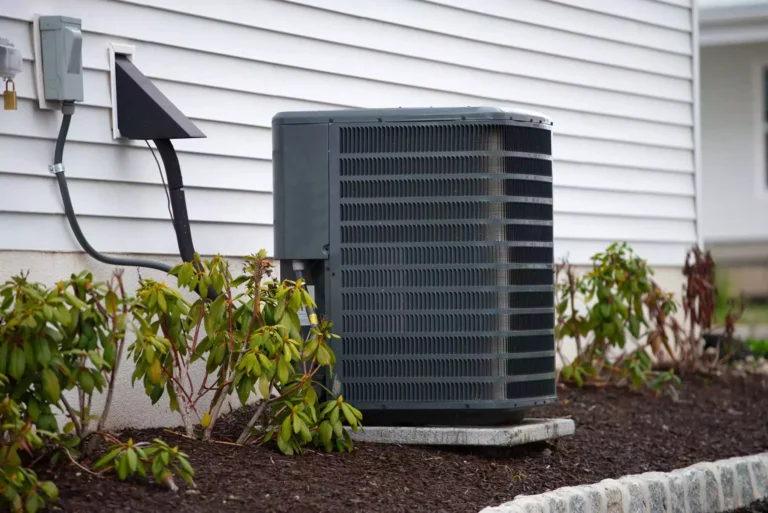

Red Flags During Home Inspections: Critical HVAC and Structural Issues That Could Signal Major Problems Ahead
Whether you are buying a new home, selling your current property, or simply scheduling a routine evaluation, understanding the red flags that surface during home inspections can save you thousands of dollars and countless headaches. At Quality Sheet Metal Heating & Air, Inc., we have spent years working throughout Loomis, CA, Auburn, CA, Granite Bay, CA, Roseville, CA, Rocklin, CA, Antelope, CA, and Citrus Heights, CA, helping homeowners identify and resolve critical HVAC and structural concerns before they escalate into catastrophic failures. As a locally owned and operated company, we know how important efficient, high-quality service is, and that commitment starts with education.
HVAC Warning Signs That Demand Immediate Attention
Heating and air conditioning systems represent one of the most expensive components of any home. According to the Department of Energy, HVAC systems account for nearly 48 percent of a home’s total energy consumption, making their condition a pivotal factor during any inspection. When an inspector identifies problems with heating or AC systems, it often points to years of deferred maintenance or improper installation that could require significant heating repair or AC repair investment down the line.
One of the most common red flags is an aging system that has exceeded its expected lifespan. Most residential HVAC units last between 15 and 20 years with proper maintenance. Systems approaching or surpassing that threshold often exhibit declining efficiency, frequent breakdowns, and elevated utility bills. Inspectors also look for visible corrosion on components, unusual noises during operation, inconsistent temperatures across different rooms, and evidence of refrigerant leaks. Each of these symptoms can indicate underlying mechanical failure that goes far beyond a simple AC service call.
Another critical concern involves ductwork integrity. Poorly sealed or deteriorating ducts can waste 20 to 30 percent of conditioned air before it reaches living spaces. During inspections, flexible ducts that sag, disconnect, or show signs of pest damage are particularly alarming. Our expertise in sheet metal fabrication allows us to design and install custom ductwork solutions that address these efficiency losses with precision-engineered components built to last decades rather than years.
Structural Issues Connected to HVAC Performance
Many homeowners do not realize how deeply interconnected HVAC systems and structural integrity truly are. Moisture problems caused by malfunctioning air conditioning units or improperly vented heating systems can lead to mold growth, wood rot, and even foundation damage over time. Inspectors frequently discover water stains near air handlers, condensation buildup in attic spaces, and rusted-out drain pans that have been silently damaging framing members and drywall for months or years.
Inadequate ventilation is another structural red flag with direct HVAC implications. Homes with insufficient attic ventilation trap heat during summer months, forcing air conditioning systems to work dramatically harder and shortening their operational life. In winter, trapped moisture from heating systems can cause ice damming and accelerate roof deterioration. These problems are especially relevant in our Northern California service area, where temperature swings between seasons place considerable demands on both heating and cooling infrastructure.
Key Red Flags Every Buyer Should Watch For
Understanding what to look for empowers homeowners and buyers to ask the right questions and make informed decisions. Here are the most critical warning signs we recommend monitoring during any home inspection:
- Mismatched or oversized HVAC equipment that suggests improper replacement without proper load calculations, leading to short cycling and premature wear
- Evidence of DIY repairs or modifications to heating or cooling systems, including non-standard wiring, improvised duct connections, or missing safety components
- Unusual odors emanating from vents such as musty smells indicating mold, burning smells suggesting electrical problems, or sulfur-like odors pointing to potential gas leaks
- Cracked heat exchangers in furnaces, which represent a serious carbon monoxide hazard and typically require complete system replacement
- Foundation cracks near HVAC equipment pads that may indicate settling caused by water drainage issues from condensate lines
- Missing or damaged insulation around refrigerant lines and ductwork that compromises system efficiency and invites moisture problems
- Outdated or recalled equipment models that pose safety risks or no longer have available replacement parts for AC repair or heating repair
Why Professional Assessment Makes the Difference
General home inspectors provide valuable overviews, but specialized HVAC evaluation requires trained professionals who understand the nuanced relationship between mechanical systems and building structures. We operate with integrity and always put the needs of our customers first. Our team is hard-working, honest, and dedicated to providing the best service possible, whether that means confirming a system is in excellent condition or honestly explaining the scope of needed repairs.
Investing in a thorough HVAC assessment during a home inspection protects your financial future and your family’s comfort. Quality Sheet Metal Heating & Air, Inc. is here to help homeowners across the greater Sacramento region navigate these critical decisions with confidence and clarity.