When a storefront loses air conditioning during a heat wave, or a small office building goes cold in the middle of winter, the cost is measured in more than discomfort. Employees lose focus, customers walk out, inventory can spoil, and revenue slips away by the hour. Light commercial heating and cooling has its own set of demands that separate it from residential work, and it takes a team that understands those differences to keep a business running smoothly. That is the work Quality Sheet Metal & HVAC LLC does every day for owners and property managers across Loomis, Auburn, Granite Bay, Roseville, Rocklin, Antelope, Citrus Heights, Newcastle, North Highlands, Sheridan, and Wheatland CA.
What Light Commercial HVAC Really Covers
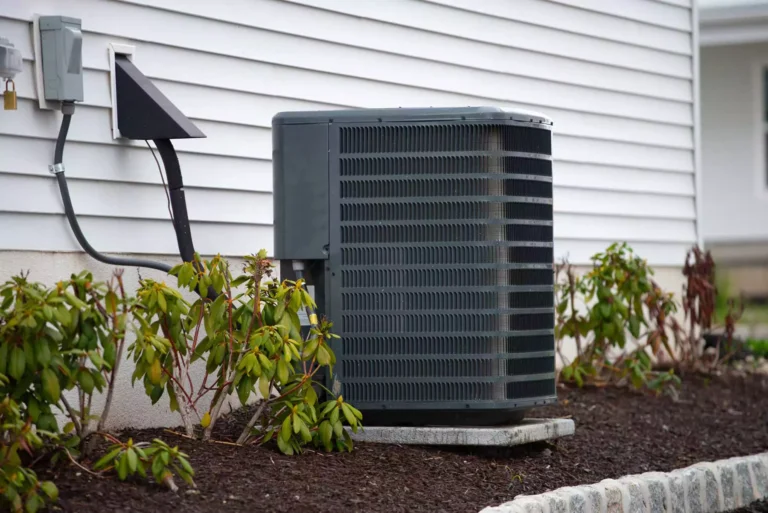
Light commercial HVAC generally refers to heating and cooling systems that serve buildings up to roughly 25 tons of cooling capacity. This includes retail stores, restaurants, medical and dental offices, small warehouses, churches, strip malls, and multi-tenant professional buildings. The equipment tends to be larger and more robust than what you find in a home, and it often lives on the roof in the form of packaged rooftop units. These systems combine heating and cooling in a single cabinet, which saves interior floor space and keeps the noisy components away from occupied areas.
The line between residential and light commercial is not only about size. Commercial buildings have different occupancy patterns, tighter ventilation requirements, and code obligations that a home never faces. A busy restaurant needs to move a large volume of fresh air to handle cooking heat and odors. A medical office needs steady temperature control and clean air for patient comfort. Because each type of building loads its system differently, a one-size approach does not work. We look at how a space is used before we recommend equipment, and that habit saves our clients from paying for capacity they do not need or suffering from a system that cannot keep up.
Our Approach From First Visit to Final Startup
A dependable commercial system is the result of a clear, ordered process. We follow the same disciplined path on every project so nothing gets missed, whether we are replacing a single rooftop unit or outfitting a new tenant space.
- Site assessment and load calculation: We measure the building, review its layout, count occupancy, and calculate the true heating and cooling load. This step decides the correct equipment size and prevents the short-cycling and uneven temperatures that come from a bad guess.
- Equipment selection: We match the load to the right unit, weighing efficiency ratings, staging options, and the demands of the specific business. A dental office and a warehouse have very different needs even at the same square footage.
- Ductwork and airflow design: We design or inspect the duct system so conditioned air reaches every zone at the right volume. Poor airflow undoes even the best equipment.
- Installation and integration: We set the unit, connect gas, electrical, and refrigerant lines, and tie the controls into the building.
- Commissioning and testing: We verify refrigerant charge, airflow, temperature split, and control response before we consider the job finished.
This methodical sequence matters because commercial equipment is expensive to run and expensive to repair when installed poorly. A system that is charged correctly and balanced properly uses less energy month after month, which is money that stays in the business owner’s pocket. We treat each step as a checkpoint, not a formality, and we do not rush past details that affect long-term performance.
The Sheet Metal Advantage
Our name reflects a core part of what sets our commercial work apart. Quality Sheet Metal & HVAC LLC fabricates ductwork and transitions in-house rather than forcing generic parts to fit an imperfect space. Commercial buildings are full of odd angles, structural obstacles, and rooftop penetrations that off-the-shelf duct simply cannot handle cleanly. When we build the metal to match the building, air moves with less resistance, seams stay tight, and the system runs quieter and more efficiently.
This fabrication skill also shortens downtime. When a curb adapter is needed to mount a new rooftop unit on an existing opening, we can build it to the exact dimensions instead of waiting on a supplier. For a business that cannot afford to stay closed, that speed makes a real difference. Custom sheet metal work is not a luxury on commercial jobs. It is often the deciding factor between a system that performs for years and one that fights itself from day one.
Common Situations We Handle for Local Businesses
Over the years we have worked through nearly every kind of light commercial challenge, and certain situations come up again and again.
- Aging rooftop units that fail without warning: We assess whether a repair or a full replacement makes better financial sense, and we can move quickly when a business is losing comfort or product.
- New tenant build-outs: When a space changes use, the old system rarely fits the new layout. We redesign airflow and equipment to match the new occupancy.
- High energy bills: Older or oversized units waste power. We identify the cause and recommend efficient equipment or duct corrections that lower operating costs.
- Uneven heating and cooling: Hot and cold spots usually trace back to duct problems or zoning issues, both of which we correct.
- Preventive maintenance programs: Scheduled service keeps commercial equipment reliable and extends its working life, which protects the owner’s investment.
Each of these calls is different, but the goal never changes. We want the building to stay comfortable, the equipment to run efficiently, and the owner to avoid surprise breakdowns. Preventive maintenance in particular pays for itself on commercial systems, where a single failed compressor can cost far more than a full year of routine care.
Why the Local Climate Shapes Our Recommendations
The area we serve sees hot, dry summers and cool, damp winters. That combination puts a commercial system through a wide temperature range every year, and equipment has to handle both extremes without excessive wear. During the hottest stretches, rooftop units in this region run for long hours, so we pay close attention to condenser condition, refrigerant charge, and airflow, since these are the factors that decide how hard a unit has to work in the heat.
In the cooler months, the same units switch over to heating, and gas components and heat exchangers need to be checked for safe, reliable operation. Because we work in this climate year-round, we know how local conditions affect equipment life and where problems tend to develop. That regional knowledge is something a national outfit cannot match, and it feeds directly into the advice we give every commercial client.
Working With a Team That Puts Customers First
Quality Sheet Metal & HVAC LLC operates with integrity, and we always put the needs of our customers first. As a locally owned and operated company, we understand how important efficient, high-quality service is to a business that depends on comfortable conditions to serve its own customers. Our team is hard-working, honest, and dedicated to providing the best service possible, and that commitment shows in how we handle commercial accounts.
We know that a business owner wants clear answers, honest recommendations, and work that lasts. When we quote a job, we explain what needs to be done and why. When we finish, we make sure the system performs the way it should before we leave. Serving businesses throughout Loomis, Auburn, Granite Bay, Roseville, Rocklin, Antelope, Citrus Heights, Newcastle, North Highlands, Sheridan, and Wheatland CA, we have built our reputation on doing the job right the first time and standing behind our work. If your commercial building needs a new system, a repair, or a maintenance plan you can rely on, our team is ready to help you keep your space comfortable and your operation running without interruption.