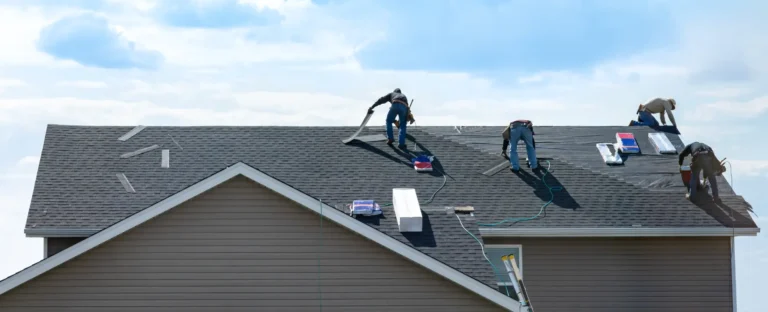

A roof is a sheet metal system as much as it is a weatherproofing layer, and that overlap is exactly why Quality Sheet Metal & HVAC LLC brings a distinct eye to roofing inspection in Rocklin, CA. Years of fabricating and installing metal flashing, ductwork penetrations, and venting assemblies means we look at a roof the way few inspectors do — as a connected set of seams, fasteners, and transitions where failure usually begins long before a visible leak appears inside the house.
What a Thorough Roofing Inspection Covers
A roofing inspection is not a quick glance from the driveway. When we inspect a roof in Rocklin, we methodically work through the entire assembly, from the surface material down to the structural edges and the penetrations that so often cause trouble. The goal is to find the small defects while they are still small, because a cracked boot or a lifted flashing edge costs far less to correct than the water damage that follows months of neglect.
Rocklin sits in a climate that tests roofing materials hard. Long, dry summers with intense ultraviolet exposure bake asphalt shingles and degrade sealants, while the winter rainy season drives water into any gap that opened up during the hot months. This cycle of thermal expansion and contraction is punishing on metal components especially, which is where our background proves valuable. We know how a metal flashing behaves when it heats and cools repeatedly, and we know the warning signs of fatigue before a fastener finally backs out or a seam splits.
During a typical inspection, we document the condition of each of these areas:
- Roofing surface: We check for cracked, curling, or missing shingles, granule loss, blistering, and any soft spots that suggest moisture has reached the underlayment.
- Flashing and transitions: We examine valleys, chimney flashing, step flashing against walls, and roof-to-wall junctions where metal meets other materials.
- Penetrations: Pipe boots, vent stacks, exhaust terminations, and HVAC roof penetrations are inspected closely, since these are among the most common leak points.
- Drainage components: Gutters, downspouts, and drip edges are assessed to confirm water is being carried away from the structure instead of pooling or backing up.
- Attic and ventilation: When accessible, we look for signs of water intrusion, inadequate airflow, or heat buildup that shortens the life of the roof from underneath.
Why Sheet Metal Expertise Matters on a Roof
Most roof leaks do not start in the broad field of shingles. They start at the edges, the corners, and the places where one material meets another. Those junctions are almost always sealed with metal, and metal is our specialty. Quality Sheet Metal & HVAC LLC fabricates and works with sheet metal every day, so when we inspect flashing we are reading the work of a trade we practice ourselves. We can tell the difference between flashing that was cut and fitted correctly and flashing that was bent to approximate shape and relied on caulk to do the real work.
Caulk and roofing cement are not permanent solutions. They are temporary bridges that buy time, and a roof held together by sealant alone is a roof on borrowed time. During inspections we frequently find that previous repairs leaned heavily on sealant where properly formed metal should have been used. Pointing out these shortcuts gives a homeowner a realistic picture of what their roof actually needs, rather than a surface-level pass that overlooks the components most likely to fail.
Our HVAC work also puts us on rooftops constantly. Rooftop air handling equipment, exhaust vents, and the metal curbs that support them all penetrate the roofing envelope, and each one must be sealed and flashed correctly. Because we install and service these ourselves, we understand exactly how an HVAC penetration should be integrated into a roof and what a failed one looks like. That dual perspective is something a single-trade roofer rarely offers.
Our Inspection Process From Start to Finish
We approach every inspection the same careful way, whether it is a routine seasonal check or an evaluation before a home sale. Consistency is what keeps problems from slipping past, and a repeatable process is what makes our findings reliable.
- Exterior walk and visual survey: We begin on the ground, noting the overall condition, the age indicators, and any obvious sagging, staining, or debris accumulation visible from below.
- On-roof examination: We access the roof directly where it is safe to do so, inspecting the surface material, every penetration, all flashing, and the roof edges up close.
- Interior and attic check: We look for the telltale evidence of past or active leaks — water stains, mold, damp insulation, or daylight showing through at penetrations.
- Documentation and discussion: We record what we find and walk you through it in plain language, explaining which items need immediate attention and which should simply be monitored.
The written findings matter because they let a homeowner make decisions based on fact rather than guesswork. If an inspection turns up a flashing detail that is beginning to fail, you learn it while the fix is minor. If the roof is in sound condition, you gain peace of mind and a baseline to compare against in future years.
When a Roofing Inspection Makes Sense
There are several moments when an inspection is especially worthwhile. After a heavy winter storm, wind-driven rain and debris can lift shingles or dislodge flashing in ways that are invisible from the ground. Before buying or selling a home in Rocklin, an inspection clarifies the condition of one of the most expensive components of the property. And on an ongoing basis, an annual or biannual inspection catches gradual wear before it compounds into structural damage.
Homeowners also call us when they notice warning signs they cannot fully explain — a faint water stain on a ceiling, grit from shingles collecting in the gutters, or a musty smell in an upper room. These symptoms often trace back to the roof, and an inspection confirms the source so the right repair can follow. We serve Rocklin along with the surrounding communities of Loomis, Auburn, Granite Bay, Roseville, Rocklin, Antelope, Citrus Heights, Newcastle, North Highlands, Sheridan, and Wheatland CA, bringing the same thorough standard to every property.
Working With Quality Sheet Metal & HVAC LLC
Quality Sheet Metal & HVAC LLC operates with integrity, and we always put the needs of our customers first. As a locally owned and operated company, we understand how important efficient, high-quality service is to the people in our community. Our team is hard-working, honest, and dedicated to providing the best service possible, and that attitude carries directly into how we inspect a roof.
We do not inflate findings to sell unnecessary work, and we do not gloss over real problems to make an inspection go quickly. When we tell you a component needs attention, we show you why and explain what the correction involves. When we tell you the roof is sound, you can trust that assessment because our reputation in Rocklin depends on being right. That honesty, combined with the hands-on sheet metal knowledge few other companies can match, is what makes our roofing inspections worth scheduling.
If you want a clear, accurate picture of the condition of your roof in Rocklin, CA, reach out to Quality Sheet Metal & HVAC LLC and let our team put their experience to work protecting your home.