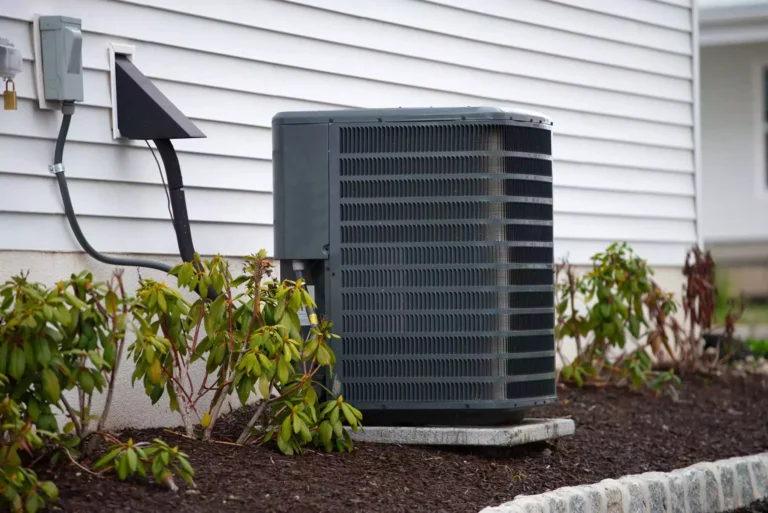

Knowing When to Repair or Replace Your HVAC System
Few decisions feel as weighty for a homeowner as choosing whether to repair an aging HVAC system or invest in a complete replacement. The right answer depends on a careful analysis of age, performance, repair history, and energy efficiency. At Quality Sheet Metal Heating & Air, Inc., we have spent years helping families across Loomis, Auburn, Granite Bay, Roseville, Rocklin, Antelope, and Citrus Heights make this exact call with confidence. Because we operate with integrity and always put the needs of our customers first, we want to share the same straightforward guidance we offer in person.
Understanding the Average Lifespan of HVAC Equipment
Most residential air conditioning units last between 12 and 17 years, while gas furnaces often serve dependably for 15 to 20 years. Heat pumps, which work year-round, typically reach the end of their service life closer to the 12-to-15-year mark. These ranges assume routine maintenance, balanced refrigerant levels, clean coils, and a properly sized system. Units that have been neglected or oversized for the home often fail much earlier.
If your equipment is approaching or exceeding the upper end of its expected lifespan, even a minor problem can be the first signal of more significant decline. Aging components such as compressors, blower motors, and heat exchangers tend to fail in sequence, meaning one repair often leads to another within a short time. Knowing your system’s age and original specifications is the starting point for any honest repair-or-replace conversation.
Warning Signs That Replacement May Be the Better Investment
Some symptoms point clearly toward end-of-life rather than a simple fix. Watch for these red flags in your home comfort system:
- Rising energy bills that climb steadily even when usage patterns and rates have stayed consistent, signaling reduced operating efficiency.
- Uneven temperatures from room to room that persist even after ductwork inspection and balancing adjustments.
- Frequent breakdowns requiring two or more service calls within a single cooling or heating season.
- Excessive noise such as grinding, banging, or screeching that indicates failing internal components.
- Use of R-22 refrigerant in older AC units, which has been phased out and is increasingly expensive to replace.
A useful rule we share with our customers is the 5,000 rule. Multiply the age of the unit by the cost of the proposed repair. If the result exceeds 5,000, replacement is generally the wiser financial choice. For example, a 15-year-old furnace needing a 400-dollar repair lands at 6,000, suggesting that putting more money into the system may not pay off long-term.
When a Simple Repair Is the Right Call
Not every issue spells the end of your HVAC system. Plenty of problems are entirely fixable and do not justify the expense of full replacement. Common repairs that extend the useful life of an otherwise healthy system include capacitor replacement, contactor swaps, thermostat upgrades, blower motor servicing, ignitor or flame sensor cleaning, and condensate drain clearing. These repairs are typically affordable and restore performance quickly.
If your system is under ten years old, has a documented maintenance history, and the cost of repair is reasonable relative to the unit’s value, repair is almost always the correct path. Equipment that still meets modern efficiency standards and has not experienced refrigerant leaks, compressor failure, or cracked heat exchangers can continue to serve your home reliably for years.
The Role of Sheet Metal Fabrication and Ductwork
Sometimes the HVAC equipment itself is not the problem. Leaky, undersized, or poorly designed ductwork can mimic the symptoms of a failing system, leading homeowners to replace perfectly good units when the real issue lies in air distribution. Our in-house sheet metal fabrication capabilities allow us to design, build, and install custom ductwork that matches the exact needs of your home.
Properly fabricated ducts reduce static pressure, eliminate air leakage, and let your existing system perform closer to its rated capacity. Before recommending replacement, we always evaluate the entire airflow path because correcting hidden ductwork problems can dramatically extend equipment life.
How We Help You Decide
Our team is hard-working, honest, and dedicated to providing the best service possible. As a locally owned and operated company serving the greater Sacramento and Placer County region, we understand the climate demands placed on your heating and cooling system. When you call us for an evaluation, we examine:
- Equipment age and model history compared to the manufacturer’s expected service life.
- Repair frequency and severity documented over the past three years of operation.
- Energy efficiency ratings measured against current SEER and AFUE standards available today.
With this complete picture, you receive a clear recommendation and the freedom to decide what works best for your household.