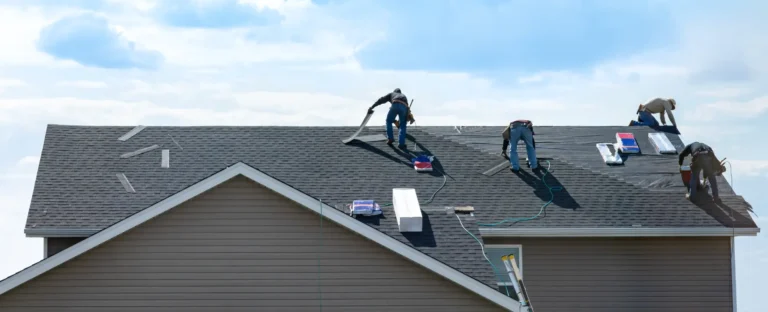

A clay tile roof installed correctly can last fifty years or more, outlasting nearly every other roofing material used on homes in the region. That longevity is exactly why so many homeowners turn to tile when the time comes to replace an aging roof or build something new. At Quality Sheet Metal & HVAC LLC, we work with tile roofing systems that combine durability, fire resistance, and a look that suits the architecture found throughout Loomis, Auburn, Granite Bay, Roseville, Rocklin, Antelope, Citrus Heights, Newcastle, North Highlands, Sheridan, and Wheatland CA.
Tile roofing is not a single product. It covers clay, concrete, and specialty materials, each with different weights, profiles, and installation requirements. Below, we explain how these systems work, where they perform best, and what you should think about before committing to one. Our goal is to give you the information you need to make a confident decision.
What Makes Tile Roofing Worth Considering
Tile has been used as a roofing material for centuries, and the reasons it has stayed popular are practical. Tile resists fire, which matters a great deal in areas that face wildfire risk during dry summer months. It also stands up to intense sun without breaking down the way asphalt shingles do. Where an asphalt roof may need replacement after fifteen to twenty years, a tile roof frequently protects a home for the length of the owner’s residency and beyond.
The material also handles heat in a way that helps the whole house. Tiles are installed with a small air gap beneath them, and that gap lets air move and carry heat away before it reaches the attic. In a climate where afternoon temperatures push past 100 degrees, this thermal behavior takes some load off your cooling system. As a company that installs and services heating and air equipment, we pay close attention to how a roof affects the comfort inside the home, and tile roofing works in your favor on hot days.
Clay Versus Concrete Tile
The two most common tile types each have strengths, and choosing between them depends on your priorities, your budget, and the structure of your home.
- Clay tile: Made from natural fired clay, it holds its color for decades because the color runs through the material rather than sitting on the surface. Clay is the traditional choice for Spanish and Mediterranean styles, and it resists fading even under constant sun.
- Concrete tile: Made from a mix of sand, cement, and water, it costs less than clay and comes in a wider range of shapes and colors. Concrete is heavier, which requires attention to the roof structure, but it offers excellent durability and impact resistance.
- Weight considerations: Both materials weigh far more than asphalt shingles, so the framing underneath must support the load. We assess this before any installation to confirm the structure is ready or to plan reinforcement.
Understanding the differences helps you avoid surprises later. A home originally built for asphalt shingles may need structural work before it can carry a tile roof, and we identify that early rather than partway through a project.
How We Approach a Tile Roofing Project
Every roof starts with an inspection. We examine the existing roof deck, the framing, the flashing, and any signs of water damage. Tile itself is durable, but the layers beneath it do the real work of keeping water out. A tile roof is only as reliable as its underlayment, flashing, and the workmanship that ties everything together.
Once we understand the condition of the structure, we build the roof in layers. The underlayment goes down first as a waterproof barrier. Battens or a batten system may follow, depending on the tile profile, to create the air gap and give the tiles a secure attachment point. Flashing is installed at every transition, valley, and penetration, because these are the places where leaks almost always begin. Our sheet metal background is a genuine advantage here, since we fabricate flashing and metal details to fit the exact conditions of your roof rather than relying on generic pre-formed pieces.
The tiles themselves are then set in place and fastened according to the manufacturer’s specifications and local code. Ridge and hip tiles finish the edges and cap the system. Throughout the work, we check alignment, spacing, and fastening to make sure the finished roof performs the way it should for decades.
Situations Where Tile Roofing Makes Sense
Tile is not the right answer for every home, but there are clear cases where it stands out. Here are scenarios we see often.
- Fire-prone properties: Homes on the edge of open land or in wooded areas benefit from tile’s class-A fire rating. When embers land on a tile roof, they have no fuel to catch.
- Long-term ownership: If you plan to stay in your home for many years, the higher upfront cost of tile spreads out over a lifespan that asphalt cannot match, often making it the more economical choice over time.
- Architectural match: Mediterranean, Spanish, and Mission-style homes were designed with tile in mind, and other roofing materials rarely look right on them. Tile preserves the intended character of the house.
We also see tile chosen for its resale value. A well-maintained tile roof signals to buyers that the home has been cared for and that a major expense is already handled. That perception carries weight in the market.
Maintenance and Repair of Tile Roofs
One of the appealing things about tile is how little routine attention it needs. The tiles do not rot, rust, or burn, and they shrug off the sun year after year. That said, tile roofs are not maintenance-free. Individual tiles can crack from impact, foot traffic, or falling branches, and the underlayment beneath the tile has a shorter lifespan than the tile itself.
When we service a tile roof, we look for broken or slipped tiles, deteriorated flashing, and clogged valleys where debris can trap water. Replacing a single cracked tile is straightforward when caught early, but ignoring it allows water to reach the underlayment and eventually the deck. We recommend periodic inspections so small problems stay small. If the underlayment reaches the end of its life while the tiles remain sound, the tiles can often be removed, the underlayment replaced, and the same tiles reinstalled, which saves a great deal compared to a full tear-off.
Why Homeowners Choose Us
Quality Sheet Metal & HVAC LLC operates with integrity, and we always put the needs of our customers first. As a locally owned and operated company, we know how important efficient, high-quality service is to the families who live here. Our team is hard-working, honest, and dedicated to providing the best service possible, and that standard applies to every tile roof we touch.
Our combined experience with both roofing and sheet metal work sets us apart. Because we fabricate our own metal flashing and detail work, we control the parts of the roof most likely to fail, and we make them fit correctly the first time. We serve homeowners throughout Loomis, Auburn, Granite Bay, Roseville, Rocklin, Antelope, Citrus Heights, Newcastle, North Highlands, Sheridan, and Wheatland CA, and we treat each roof as a long-term investment in your home rather than a quick job to complete and move on from.
If you are weighing a tile roof for a new home, planning a replacement, or dealing with a leak in an existing tile system, we are ready to help. Reach out to Quality Sheet Metal & HVAC LLC to discuss your roof, review your options, and get straightforward guidance about what will serve your home best for years to come.